Friday, August 20, 2010
Because of Teddy....
ALR Family and Friends,
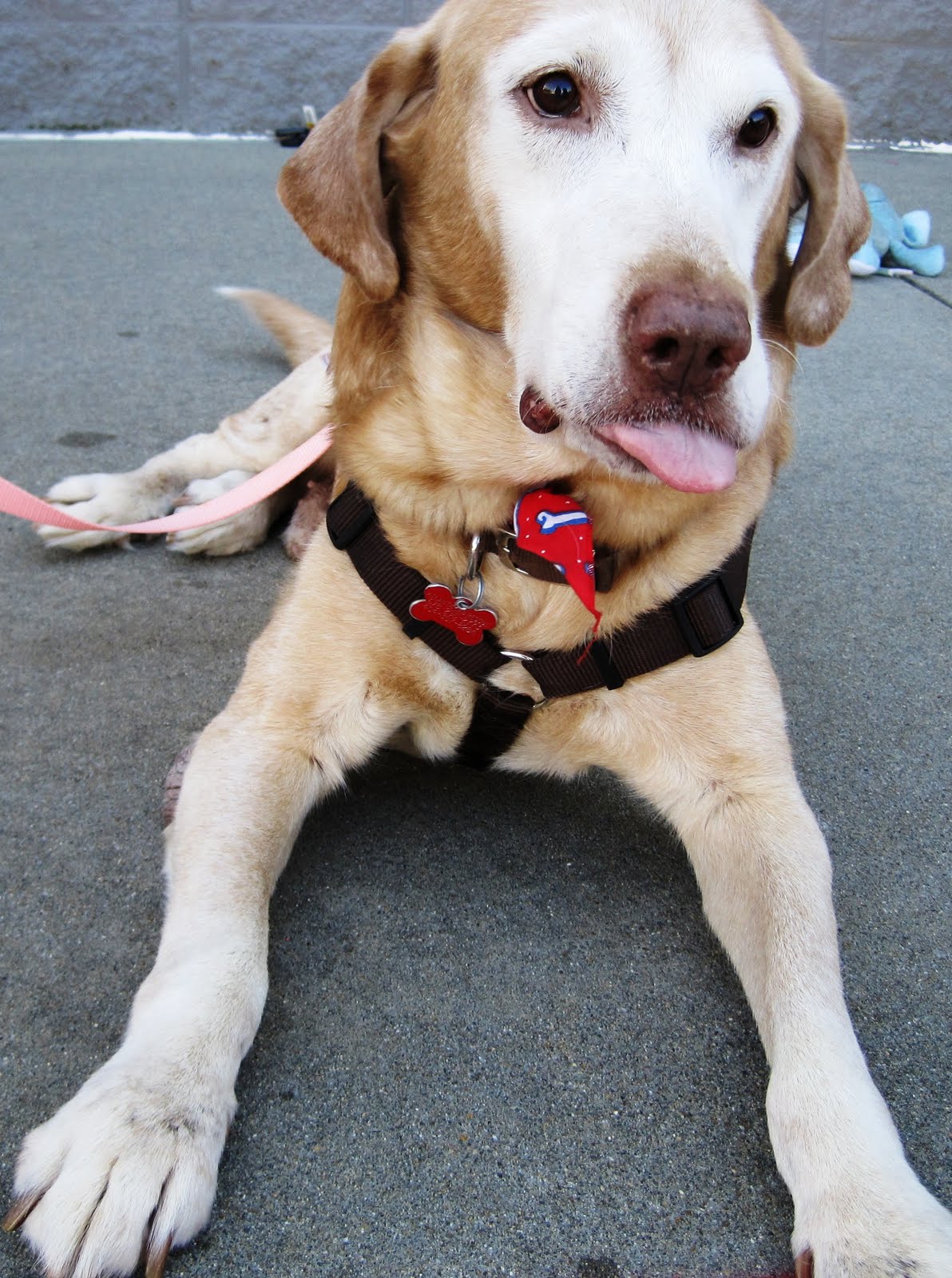
In February of 2001, I did something that changed my life and possibly many of yours as well. I rescued a golden retriever that I named Teddy.
For months I attended adoptions, looking for a yellow female and each time got passed over for a “stay at home mom” with a pool and a house at the lake. Finally, after my fourth Adoption Day, they called about my third choice, a 2 year old red male, which wasn’t at all what I was looking for and I wondered why I had even put him on my list? The next day the foster called and we set up a visit. Reluctantly, I drove to Peachtree City to meet “Ash.” I had no intention of adopting him, but the foster told me there was another shelter dog waiting to take his space, so of course, I signed the papers and we headed home.
The first few days were a disaster. He was apparently a country dog and he was on a mission to escape my small fenced yard, which he did successfully about three times in the first two days. To make matters worse, he had no personality and wanted nothing to do with me. After 3-4 days of this, I decided he wasn’t the dog for me and I called the foster to return him. Of course there was NO foster available, so they asked if I could hang onto him for a day or two more. Well, the very next day Ash did a complete turnaround and he was here to stay. I changed his name to Teddy and he quickly became my constant companion and co-pilot. I was so excited about my rescue experience and this great new friend, that I decided I’d like to help more dogs like Teddy find forever homes.
Teddy became the “Ambassadog” to the 600+ dogs that came to live with us over the years, patiently sharing my time and his home with 4-5 fosters, often at the same time. He welcomed each new dog accordingly, taking it all in stride, which wasn’t the case with my other dogs, who made it their mission to keep them in their place. One by one my family and friends all found themselves with dogs they never knew they wanted, but soon couldn’t live without. The passion became a mission and we decided to start our own rescue in 2007. Since every dog in every shelter is described as a “lab” or “lab mix,” we decided to start Atlanta Lab Rescue. With lots of help and support, and by partnering with other groups around the country, we’ve pulled, transported and rescued over 2,500 dogs...and it’s all because of a slightly raggedy red retriever named Teddy.
About a month ago I found out that Ted had liver cancer. Monday, after a brief and very brave fight, we said goodbye to him. At home surrounded by friends he went with a smile on his face, wagging his tail. Teddy’s big goofy grin was hard to resist and constantly reminded me how lucky I was. My heart is truly breaking and I find it hard to believe how much this dog changed my life for the better. Someone gave me a book a couple of years ago called “Rescuing Sprite” by Mark Levin, a nationally syndicated broadcaster. The book talks about a dog he rescued named Sprite and how this dog enriched his life, it’s a must read for anyone who has rescued a dog.
This week we’ve taken in 6 more dogs (so far), including Laurel a yellow lab in Warner Robins shelter that has been so neglected she’s developed a skin condition and chronic ear infection that are literally torturing her. Our bank account has about $1000 in it which will barely cover Laurel ’s vet bills, and I’m told we can’t afford anymore dogs right now, but how do we say no to her or any of the other 5? Someday they too may change someone’s life…God bless all of you who open your hearts and homes to these dogs to foster and adopt and those who so faithfully support our efforts.
Thank you,
Becky Cross
Co-founder/Director Atlanta Lab Rescue
http://www.atlantalabrescue.com/
Click here to Donate
Friday, July 16, 2010
The Trouble with Heartworms
What is a heartworm?
A heartworm is an actual worm that can live inside the heart. Heartworms are nematodes related to free living worms like earth worms. The adult heartworms are six to ten inches in length and when they reproduce, the baby worms are called microfilaria. These microscopic baby worms are released into the dog's blood stream.
How do dogs get heartworms?
The microfilaria are picked up and carried from dog to dog by mosquitoes. So we see a lot of heartworm infections in any area with a lot of mosquitoes. We see many cases of heartworm disease throughout the southeast, but Florida has the greatest number of heartworm cases of anywhere in the U.S.
What are the symptoms of heartworms?
Symptoms include weight loss, lethargy, and coughing. Left untreated, heartworms will lead to heart failure and eventually death.
Are heartworms treatable?
While heartworms are treatable, the procedure can be costly and there can be side effects.
Most importantly, safe and effective preventative medications are available from your veterinarian. Most of these medications are given once a month and kill the baby heartworm before it becomes an adult worm.
So what should dog owner's do to protect their dog from heartworms?
A heartworm is an actual worm that can live inside the heart. Heartworms are nematodes related to free living worms like earth worms. The adult heartworms are six to ten inches in length and when they reproduce, the baby worms are called microfilaria. These microscopic baby worms are released into the dog's blood stream.
How do dogs get heartworms?
The microfilaria are picked up and carried from dog to dog by mosquitoes. So we see a lot of heartworm infections in any area with a lot of mosquitoes. We see many cases of heartworm disease throughout the southeast, but Florida has the greatest number of heartworm cases of anywhere in the U.S.
What are the symptoms of heartworms?
Symptoms include weight loss, lethargy, and coughing. Left untreated, heartworms will lead to heart failure and eventually death.
Are heartworms treatable?
While heartworms are treatable, the procedure can be costly and there can be side effects.
Most importantly, safe and effective preventative medications are available from your veterinarian. Most of these medications are given once a month and kill the baby heartworm before it becomes an adult worm.
So what should dog owner's do to protect their dog from heartworms?
- Your veterinarian will perform a blood test to make sure your dog is not already infected.
- If the heartworm is negative, the doctor will prescribe a heartworm preventative medication.
- Continue the heartworm prevention all year long, for the life of the animal.
- Have an annual blood test to make sure the medication has been effective.
Dear Labby
Dear Labby,
My Lab has really bad breath! He could peel the paint right off the wall! Is there any hope for kinder, gentler breath from my four legged friend?
Sincerely,
Craig in Cumming
My Lab has really bad breath! He could peel the paint right off the wall! Is there any hope for kinder, gentler breath from my four legged friend?
Sincerely,
Craig in Cumming
Dear Craig,
I know what you mean! Sometimes my Lab's breath curls my toes! But all is not lost. There are many things you can do to eliminate the stinkiness!
Did you know it is estimated that up to 80% of all dogs have periodontal disease? That's serious business. It causes inflammation, mineral build-up, plaque, tooth decay and gum disease. Even worse, Periodontal Disease predisposes your dog to heart disease, respiratory disease, diabetes and arthritis.
So, what can you do?
First of all, encourage your dog to chew. Dog biscuits, Nyla bones and chew toys work really well for scraping the teeth clean and they usually have fun doing it. Avoid canned or wet food. The hard crunchy kibble makes a huge difference in keeping those choppers sparkling!
Second, at least once a week, brush your furry friend's "furry" teeth. Introduce the toothbrush gradually and be sure to follow up the brushing with plenty of praise so your pup will start to look forward to it. Be sure to use dog toothpaste. People toothpaste has additives that can be harmful to our four-legged friends since they don't spit it out.
If those simple fixes are not improving the problem, talk to your vet about it. Your vet will look for warning signs like brownish spots on the back teeth, a thin red line running along the gum lines and deterioration of the root and bone. Once the issue is identified your vet may suggest a thorough cleaning, particularly of the affected teeth or application of an antibiotic gel under the gums in the area where bacteria may have settled.
Just like in people, tooth problems may be irreversible, and your dog only gets one set, so be sure to pay attention to them. There is no need to breathe in the toxic fumes from your pooch's mouth for eternity. Dog bad breath has a cure! Until next time...Woof!
Wednesday, July 14, 2010
Vets warn about effects of heat on pets
by Winston Jones/Staff Writer
times-georgian.com
This time of year is often called “the dog days of summer,” but the current hot temperatures can cause heat strokes and other problems in dogs, just like in humans, a local veterinarian warned Monday.
“Animals instinctively know to stay out of heat,” said Dr. Justin Verner, DVM. “But dogs are such loyal companions, they often stick with us out in the sun until they’re overcome by the heat.”
Unlike humans, dogs don’t sweat, Verner noted. He said dogs cool themselves by panting, passing air rapidly over the tongue to cool the blood circulating through the mouth.
“It’s an inefficient system of cooling,” he said. “Dogs need to find a cool, shady spot when outdoors, under the deck or beneath bushes.” He said they also need lots of fresh water.
He said dogs with short snouts, the “smashed in” face dogs, such as bulldogs, Boston Terriers, pugs, pekingese and shih tzus, are especially prone to heat problems since they can’t breathe as effectively as longer snout dogs.
Verner said pet owners often miss heat stroke symptoms and dogs rapidly progress to death without treatment. The common signs of heat stroke in a dog are rapid panting, twitching muscles, lethargy, hot skin and a dazed look.
“I’ve seen many dogs with heat stroke and they usually don’t make it,” he said. “They have trouble breathing and when their temperatures get above 106 degrees, their organs begin shutting down.”
Verner said if you think your dog might be having a heat stroke, cool it off with a water hose and get it to a vet immediately.
He also warned against leaving dogs in cars, even when the windows are partially down and even on days that don’t seem hot.
“Some breeds of dogs are very intolerant of heat,” he said. He said asphalt paving drives the heat up fast.
“It’s best to keep your dogs out of the midday heat,” Verner said. “Take them out for exercise in the early morning before the sun comes up or late in the afternoon after it’s gone down.”
Additional heat suggestions from PETA (People for the Ethical Treatment of Animals) inlcude:
• if you see a dog in a parked car, take down the car’s information and have the owner paged over the store intercom or notify law enforcement authorities;
• don’t take your dog with you jogging except during cool times of the day and provide plenty of water and rest;
• keep dogs indoors and provide them with shade and drinking water when outdoors;
• and if you see a dog that looks in distress, contact authorities.
times-georgian.com
This time of year is often called “the dog days of summer,” but the current hot temperatures can cause heat strokes and other problems in dogs, just like in humans, a local veterinarian warned Monday.
“Animals instinctively know to stay out of heat,” said Dr. Justin Verner, DVM. “But dogs are such loyal companions, they often stick with us out in the sun until they’re overcome by the heat.”
Unlike humans, dogs don’t sweat, Verner noted. He said dogs cool themselves by panting, passing air rapidly over the tongue to cool the blood circulating through the mouth.
“It’s an inefficient system of cooling,” he said. “Dogs need to find a cool, shady spot when outdoors, under the deck or beneath bushes.” He said they also need lots of fresh water.
He said dogs with short snouts, the “smashed in” face dogs, such as bulldogs, Boston Terriers, pugs, pekingese and shih tzus, are especially prone to heat problems since they can’t breathe as effectively as longer snout dogs.
Verner said pet owners often miss heat stroke symptoms and dogs rapidly progress to death without treatment. The common signs of heat stroke in a dog are rapid panting, twitching muscles, lethargy, hot skin and a dazed look.
“I’ve seen many dogs with heat stroke and they usually don’t make it,” he said. “They have trouble breathing and when their temperatures get above 106 degrees, their organs begin shutting down.”
Verner said if you think your dog might be having a heat stroke, cool it off with a water hose and get it to a vet immediately.
He also warned against leaving dogs in cars, even when the windows are partially down and even on days that don’t seem hot.
“Some breeds of dogs are very intolerant of heat,” he said. He said asphalt paving drives the heat up fast.
“It’s best to keep your dogs out of the midday heat,” Verner said. “Take them out for exercise in the early morning before the sun comes up or late in the afternoon after it’s gone down.”
Additional heat suggestions from PETA (People for the Ethical Treatment of Animals) inlcude:
• if you see a dog in a parked car, take down the car’s information and have the owner paged over the store intercom or notify law enforcement authorities;
• don’t take your dog with you jogging except during cool times of the day and provide plenty of water and rest;
• keep dogs indoors and provide them with shade and drinking water when outdoors;
• and if you see a dog that looks in distress, contact authorities.
Monday, April 19, 2010
Retractable leashes pose problems for people and their pets
Reposted from Consumer Reports Blog
Heather Todd didn’t bring a leash with her the day she took her pooch Penny to a pond near Boston in 2005. So she borrowed a retractable dog leash to help keep her Labrador retriever in check. But it didn’t. Retractable leashes pose problems for people and their pets The 90-pound dog suddenly took off running and dragged Todd across the sand. When she came to a stop and recovered her wits, she spotted something lying on the sand. With horror, she realized it was a human index finger; with greater horror, she realized it was her own. The cord of the retractable leash had looped around her finger and pulled taut when Penny bolted.
“It just cut it off like a sharp knife,” Todd says.
She wrapped her hand in a towel, grabbed the finger, and headed to the hospital, but doctors were unable to reattach it. Todd, who’s now in nursing school, says there are times when her missing finger causes problems. “I get by. You just adjust,” she says.
Todd’s story may sound like a freak accident, but retractable leashes are responsible for a surprising number of injuries each year, including amputations.
In 2007 there were 16,564 hospital-treated injuries associated with leashes, according to Consumer Union's analysis of statistics collected by the Consumer Product Safety Commission. Of those, about 10.5 percent involved children 10 and younger; 23.5 percent involved injuries to the finger. The CPSC's data does not parse the leashes into types but it's likely that the amputations were caused by retractable leashes.
The most common injuries reported were burns and cuts, usually sustained when the cord came in contact with skin as it rapidly paid out from the handle of a leash. Others occurred when the cord got wrapped around part of the owner or the dog.
Todd sued the maker of the leash as well as the distributor, as have others who have been injured by retractable leashes. Todd told us that the company settled her case for an undisclosed amount.
Retractable-leash makers do put some pretty stark warnings about their products on their Web sites and on the packaging. Germany-based Flexi, one of the largest manufacturers of the leashes, has a long page of warnings on it Web site. Here’s how it begins:
“To avoid the risk of eye or face injury and cuts, burns, and amputations to your body or the body of another person from the leash cord/tape or all belt and hook, (sic) read and follow these Warnings and Directions for Use before using your Flexi leash.”
The CPSC has announced only one recall of retractable leashes in recent years. Last September 223,000 “Slydog” brand retractable leashes (at right) were recalled after several complaints were received by the agency about the metal clip breaking and flying off. The company subsequently changed to plastic clips.
Karen Peak, a professional dog trainer in northern Virginia who runs a Web site called SafeKidsSafeDogs, says she often observes injuries from retractable leashes-and has experienced a couple herself.
“One day a dog got away and I grabbed the cord to keep it from running into the street and it gave me a painful cut between my fingers,” she says. “And it was a little dog, a Maltese.”
Peak says she doesn’t allow retractable leashes in her training classes and thinks they should only be used on well-behaved dogs that respond to voice commands.
“They should never be used on neighborhood walks or in stores or other situations where there might be distractions that can make a dog suddenly bolt,” she says. In those types of situations, she advises owners to use a solid leash no longer than six feet long.
Peak says dogs can suffer some of the same types of injuries from retractable dog leashes as people do. In addition, dogs suffer injury to their necks and backs when they are suddenly jerked to a stop when they run out the length of the leash.
Heather Todd didn’t bring a leash with her the day she took her pooch Penny to a pond near Boston in 2005. So she borrowed a retractable dog leash to help keep her Labrador retriever in check. But it didn’t. Retractable leashes pose problems for people and their pets The 90-pound dog suddenly took off running and dragged Todd across the sand. When she came to a stop and recovered her wits, she spotted something lying on the sand. With horror, she realized it was a human index finger; with greater horror, she realized it was her own. The cord of the retractable leash had looped around her finger and pulled taut when Penny bolted.
“It just cut it off like a sharp knife,” Todd says.
She wrapped her hand in a towel, grabbed the finger, and headed to the hospital, but doctors were unable to reattach it. Todd, who’s now in nursing school, says there are times when her missing finger causes problems. “I get by. You just adjust,” she says.
Todd’s story may sound like a freak accident, but retractable leashes are responsible for a surprising number of injuries each year, including amputations.
In 2007 there were 16,564 hospital-treated injuries associated with leashes, according to Consumer Union's analysis of statistics collected by the Consumer Product Safety Commission. Of those, about 10.5 percent involved children 10 and younger; 23.5 percent involved injuries to the finger. The CPSC's data does not parse the leashes into types but it's likely that the amputations were caused by retractable leashes.
The most common injuries reported were burns and cuts, usually sustained when the cord came in contact with skin as it rapidly paid out from the handle of a leash. Others occurred when the cord got wrapped around part of the owner or the dog.
Todd sued the maker of the leash as well as the distributor, as have others who have been injured by retractable leashes. Todd told us that the company settled her case for an undisclosed amount.
Retractable-leash makers do put some pretty stark warnings about their products on their Web sites and on the packaging. Germany-based Flexi, one of the largest manufacturers of the leashes, has a long page of warnings on it Web site. Here’s how it begins:
“To avoid the risk of eye or face injury and cuts, burns, and amputations to your body or the body of another person from the leash cord/tape or all belt and hook, (sic) read and follow these Warnings and Directions for Use before using your Flexi leash.”
The CPSC has announced only one recall of retractable leashes in recent years. Last September 223,000 “Slydog” brand retractable leashes (at right) were recalled after several complaints were received by the agency about the metal clip breaking and flying off. The company subsequently changed to plastic clips.
Karen Peak, a professional dog trainer in northern Virginia who runs a Web site called SafeKidsSafeDogs, says she often observes injuries from retractable leashes-and has experienced a couple herself.
“One day a dog got away and I grabbed the cord to keep it from running into the street and it gave me a painful cut between my fingers,” she says. “And it was a little dog, a Maltese.”
Peak says she doesn’t allow retractable leashes in her training classes and thinks they should only be used on well-behaved dogs that respond to voice commands.
“They should never be used on neighborhood walks or in stores or other situations where there might be distractions that can make a dog suddenly bolt,” she says. In those types of situations, she advises owners to use a solid leash no longer than six feet long.
Peak says dogs can suffer some of the same types of injuries from retractable dog leashes as people do. In addition, dogs suffer injury to their necks and backs when they are suddenly jerked to a stop when they run out the length of the leash.
Sunday, April 18, 2010
Dear Labby
Tackling Springtime Allergeries
Dear Labby,
Lately I have noticed that my Labs’ allergies are getting worse and causing more frequent itching and licking. Do you know what may be causing it?
Thanks,
Katie in Kennesaw
Dear Katie,
Spring pollen is in the air… and on our cars, lawn furniture and unfortunately on our pet’s fur. Unlike humans who react to allergies with a stuffy nose, watery eyes and a scratchy throat, pets react with skin problems, goopy eyes and ear infections.
Unfortunately there is no magic pill to cure your Labs’ allergies but there are a lot of treatments for the symptoms. Check with your vet to see if any of these suggestions may work for your situation:
- Change your pet’s food to a natural brand for 8-10 weeks and watch for allergic reactions. If there is no reaction, feed your four-legged friend the original food. If the symptoms return, then the diagnosis is probably a food allergy. Your vet will then help you choose different foods that eliminate certain ingredients until the culprit is determined.
- A cold bath with a medicated shampoo can do wonders for some dogs. For my dog, it certainly gives him a little relief from the itchies.
- When your Lab comes in from the yard, try to wipe his feet off before he comes in the house. It may seem like a lot of work, but remember that whatever they step in outside ends up on your carpet and floors and then gets inhaled again.
- Adding Omega-3 and Omega-6 Fatty acids to your Labs diet may also do the trick. They are a natural anti-inflammatory remedy and are virtually harmless to your pet if given as directed. I add a few squirts of the liquid version to my Labs meal every day.
- Antihistamines, such as Benadryl, are safe medications that see about a 33% success rate among users. The main side affect with this type of treatment is that in some animals (just like people) the drug may make them sleepy. Be sure to check with your vet for correct dosage amounts.
- Immunotherapy or allergy shots typically show a 70%+ success rate. Your dog will be tested to determine what inhalants they are allergic to including mold, pollens, dust, feathers, wool, cotton and cats. A specific serum is developed for your pet and the shots are administered for up to 12 months by the pet owner at home. They are safe but it may take six or more months to see any improvement.
- The last resort is administering steroids, which help to reduce the inflammation that causes itching. Steroids are a final remedy because they may damage the pet’s liver, cause diabetes and possibly promote behavioral changes such as increased or decreased appetite, thirst and urination.
Thursday, March 25, 2010
Dear Labby
Dear Labby,
Dear Dawn,
Doggie Daycare is the BOMB and there are many benefits for both you and your dog if the situation fits your Labs’ personality.
One reason to take your pup to daycare is for socialization. Take your pooch for a trial run to see how he interacts with the different personalities. Sometimes large dogs become aggressive towards smaller dogs, so it’s important to make sure the daycare keeps the small and large dogs separated. If your Lab does not have an easy-going, submissive personality, daycare may not be the right environment for him or her. Hiring a Petsitter to excerise your dog could be an alternative this case.
Daycare is the perfect place for Labs to let out their energy and play. It’s like a gym membership for dogs! If your dog spends more time on the couch then he does on a leash, then daycare may be the answer.
Another great reason to go to daycare is for those days when you know you will be gone from home for a long period of time. Your Lab will get plenty of attention and someone will make sure he gets outside and “does his business”. If you are still potty training, daycare is also a good solution to keep him on your schedule.
Before you pick a daycare, make sure these items are on your “MUST HAVE” list:
There is a lot of information available online if you have more questions. Here are two links to start you out:
1. Dog Day Care -- Good-or-Bad ?
2. Choosing A Good Dog Day Care
I hope you find this info helpful and can see the benefits! If you are looking for a great social spot and an outlet for all of that Lab energy, check out a Doggie Daycare near you.
Email Dear Labby with all your Lab questions. Submissions may be edited for space and style.
Return to March Newsletter
I was thinking about sending my newly adopted Lab to Doggie Daycare. What are your thoughts about them?
Sincerely,
Dawn in Dunwoody
Doggie Daycare is the BOMB and there are many benefits for both you and your dog if the situation fits your Labs’ personality.
One reason to take your pup to daycare is for socialization. Take your pooch for a trial run to see how he interacts with the different personalities. Sometimes large dogs become aggressive towards smaller dogs, so it’s important to make sure the daycare keeps the small and large dogs separated. If your Lab does not have an easy-going, submissive personality, daycare may not be the right environment for him or her. Hiring a Petsitter to excerise your dog could be an alternative this case.
Daycare is the perfect place for Labs to let out their energy and play. It’s like a gym membership for dogs! If your dog spends more time on the couch then he does on a leash, then daycare may be the answer.
Another great reason to go to daycare is for those days when you know you will be gone from home for a long period of time. Your Lab will get plenty of attention and someone will make sure he gets outside and “does his business”. If you are still potty training, daycare is also a good solution to keep him on your schedule.
Before you pick a daycare, make sure these items are on your “MUST HAVE” list:
- Trained and certified owners and staff
- Staff is trained in first aid for pets
- The play area is supervised at all times, with lots of room for playing indoors and out
- Willing to give you a tour of the entire facility. Nothing should be off limits.
- Clean! This is hard thing to accomplish with so many four-legged pups in-house, but it is a must. If they can keep it clean, then that is the place for you!
There is a lot of information available online if you have more questions. Here are two links to start you out:
1. Dog Day Care -- Good-or-Bad ?
2. Choosing A Good Dog Day Care
I hope you find this info helpful and can see the benefits! If you are looking for a great social spot and an outlet for all of that Lab energy, check out a Doggie Daycare near you.
Email Dear Labby with all your Lab questions. Submissions may be edited for space and style.
Return to March Newsletter
Wednesday, March 24, 2010
It's Spring and Fur is in the Air
If your furniture, floor and carpets have more [pet] hair on them then your Uncle Fred’s head, you know Spring is here!
The fact is, shedding fur is a natural process for dogs (and cats). Some shed year-round, while others may only shed in the spring to reduce their winter coat. Dogs will also shed broken or damaged hair if their skin is irritated from by allergies. Yes, like people dogs can have seasonal allergies too.
Although the cycle of losing fur is just part of being a dog, there are ways to help control the amount of shedding, while keeping the home cleaner and the dog more comfortable. A schedule of regular grooming, vet visits and a healthy diet can help reduce the amount of shedding from your pet.
Daily Grooming
Plan a regular grooming schedule for the dog. Brush him daily to control the release of fur. Go outside, and smooth the brush over his back, tummy and legs. Allow the loose hairs to fall outside and collect in a dog brush. This will reduce the amount of loose fur on the dog's body, keep the interior of the home cleaner and provide daily attention for the dog.
Bi-Weekly Baths: Tips for Washing Your Dog
The sooner you get the dead coat out, the sooner a new coat will come in. “Self-serve” dog washes are an excellent option to using your bathtub or paying an expensive grooming fee.
Wet your dog with the warmest water your dog can stand. You want it very warm, but not hot enough to burn the dog's skin. Use your fingers to work through the coat and loosen it up. You don’t need shampoo. Work your fingers through the coat as you lift and wash away the fur from the dog.
Use a blow dryer to dry the coat. The dryer will help to blow away any remaining loose hair.
Never Shave a Lab
The ONLY reason to shave anything on a Lab is:
1. For Surgery
2. For a Hot Spot
Only your vet should shave the area that needs to be shaved. If you see a hot spot, then let your vet treat it to keep it from spreading. Shaving a Lab for routine maintenance is WRONG and is NOT healthy for the dog.
The Facts and Fiction About Shaving A Lab:
Fiction: Shaving a Lab will reduce shedding.
Fact: The dog will only shed shorter hairs.
Fiction: All that hair must make the dog hot.
Fact: The undercoat actually keeps the dog cooler.
Fiction: Dogs can’t get sun burned.
Fact: A shaved dog has and increase risk of being exposed to damaging UV rays that they would not otherwise be exposed to
More suggestions...
1. Feed your dog appropriate pet food. A pet’s coat is often a reflection of what they eat. Feed a high quality/premium food with good digestible protein sources.
2. Cover your furniture and car seats. Upholstery is a magnet for pet hair, and removing pet hair from furniture or car seats can be tedious. If you allow pets on your furniture or bed, you would be wise to invest in a few furniture throws. Throws will keep your furniture looking (and smelling) better and make your home more inviting to guests. Car seat covers are also an excellent investment and are highly recommended.
3. Control allergies and fleas. If your pet is scratching because of allergies, supplement with Vitacaps® and Biotin to control inhalant allergies that irritate the skin. Be sure to see your veterinarian to make sure your pet is getting proper allergy relief. To prevent itching and scratching from fleas, use a flea repellent that your vet recommends to prevent and control infestations.
4. Have regular checkups. Many diseases can affect the skin and haircoat. Regular visits to your veterinarian will help identify problems early and provide more effective treatment.
5. To control shedding, use the right brush. Not all are created equal.
6. Remove hair from upholstery and your dog’s bed as soon as possible. Newly shed hair is easier to remove before it works its way into upholstery fabric. A tape roller is one of the best tools for removing hair.
Monday, March 22, 2010
Grace's Law Passes onto the GA Senate
Urge the GA Senate to Ban Remaining Gas Chambers!
On March 16, 2010 the Georgia House of Representatives voted overwhelmingly, 132-49, to pass H.B. 788 which would ban use of the remaining CO gas chambersto kill shelter animals in Georgia and also make heartstick illegal by statute.
WHAT YOU CAN DO RIGHT NOW
Grace's Law, is now assigned to the Georgia Senate Regulated Industries and Utilities Committee whose members are found here.(Just click on their names for contact info.) Georgia State Senator Jack Murphy is the bill's senate sponsor.
Call or Fax (no emails) and Urge the committee members to vote yes on H.B. 788 and end use of CO gas chambers and cruel heartstick to kill shelter animals. All but a handful of Georgia counties and cities inside and outside of metro Atlanta have already stopped this! A list of the counties/cities can be found here. If one of the committee members is your state senator, be sure to let him or her know that.
COUNTIES/CITIES USING GAS CHAMBERS
1. Ashburn, City of (in Turner County)
2. Cobb County
3. Butts County Animal Control
4. Cordele, City of (in Crisp County)
5. Cuthbert, City of (in Randolph County)
6. Haralson County Animal Shelter
7. Hawkinsville, City of (in Pulaski County)
8. Henry County Animal Control
9. Lakeland, City of (in Lanier County)
10. Mitchell County Animal Control
11. Vienna, City of Animal Shelter (in Dooly County)
While animal euthanasia is not a pleasant topic, the ability to get a more humane Animal Welfare act passed into Georgia law makes it a topic worth broadcasting and providing to friends with information.
Grace's Law is the first step in a ground swelling movement to Reform Animal Welfare Law in Georgia. The next focus for Reform will be to reduce the at-risk population (through education and more effective spay/neuter programs) by at least 60% and give the politicians a reason to do it- $140million/year in savings.
For more information click here
Return to March Newsletter
On March 16, 2010 the Georgia House of Representatives voted overwhelmingly, 132-49, to pass H.B. 788 which would ban use of the remaining CO gas chambersto kill shelter animals in Georgia and also make heartstick illegal by statute.
WHAT YOU CAN DO RIGHT NOW
Grace's Law, is now assigned to the Georgia Senate Regulated Industries and Utilities Committee whose members are found here.(Just click on their names for contact info.) Georgia State Senator Jack Murphy is the bill's senate sponsor.
Call or Fax (no emails) and Urge the committee members to vote yes on H.B. 788 and end use of CO gas chambers and cruel heartstick to kill shelter animals. All but a handful of Georgia counties and cities inside and outside of metro Atlanta have already stopped this! A list of the counties/cities can be found here. If one of the committee members is your state senator, be sure to let him or her know that.
COUNTIES/CITIES USING GAS CHAMBERS
1. Ashburn, City of (in Turner County)
2. Cobb County
3. Butts County Animal Control
4. Cordele, City of (in Crisp County)
5. Cuthbert, City of (in Randolph County)
6. Haralson County Animal Shelter
7. Hawkinsville, City of (in Pulaski County)
8. Henry County Animal Control
9. Lakeland, City of (in Lanier County)
10. Mitchell County Animal Control
11. Vienna, City of Animal Shelter (in Dooly County)
While animal euthanasia is not a pleasant topic, the ability to get a more humane Animal Welfare act passed into Georgia law makes it a topic worth broadcasting and providing to friends with information.
Grace's Law is the first step in a ground swelling movement to Reform Animal Welfare Law in Georgia. The next focus for Reform will be to reduce the at-risk population (through education and more effective spay/neuter programs) by at least 60% and give the politicians a reason to do it- $140million/year in savings.
For more information click here
Return to March Newsletter
Friday, February 12, 2010
ALR Says Farwell to Trevor
by Fern Garber
Although it’s never easy, and despite our best efforts, sometimes we at Atlanta Lab Rescue must say good-bye to one of our charges. It is with sadness that earlier this month we helped Trevor cross the Rainbow Bridge.
Trevor arrived at Atlanta Lab Rescue in June of 2009. At that time, he was taken to the vet to be neutered where it was discovered he had a grade 5 heart murmur (grade 6 is the max). Yet, even with this condition and although he was an older rescue (his age was ‘guesstimated’ at about 14), Atlanta Lab Rescue Board Member and volunteer extraordinaire, Frank Conn, agreed to foster Trevor to make whatever time he had left comfortable and dignified. For almost eight months, Trevor played and ran with Frank’s other dogs. He loved everyone, made people laugh and never created problems in the home. When Frank traveled, Becky took on the fostering care.
Frank was planning to bring Trevor to the January 31st Adoption Day at the Buckhead Petsmart, but on Saturday, Trevor’s health took a turn for the worse. His systems were failing and he was losing the battle. So, in the afternoon on February 4, Frank took the gentle soul to the vet and bid him farewell.
There is plenty of food, water and sunshine, and our friends are warm and comfortable.
All the animals who had been ill and old are restored to health and vigor; those who were hurt or maimed are made whole and strong again, just as we remember them in our dreams of days and times gone by.
The animals are happy and content, except for one small thing; they each miss someone very special to them, who had to be left behind.
They all run and play together, but the day comes when one suddenly stops and looks into the distance. His bright eyes are intent; His eager body quivers. Suddenly he begins to run from the group, flying over the green grass, his legs carrying him faster and faster.
You have been spotted, and when you and your special friend finally meet, you cling together in joyous reunion, never to be parted again. The happy kisses rain upon your face; your hands again caress the beloved head, and you look once more into the trusting eyes of your pet, so long gone from your life but never absent from your heart.
Then you cross Rainbow Bridge together....
Author unknown...
"If there are no dogs in Heaven, then when I die I want to go where they went." Will Rogers
Although it’s never easy, and despite our best efforts, sometimes we at Atlanta Lab Rescue must say good-bye to one of our charges. It is with sadness that earlier this month we helped Trevor cross the Rainbow Bridge.
Trevor arrived at Atlanta Lab Rescue in June of 2009. At that time, he was taken to the vet to be neutered where it was discovered he had a grade 5 heart murmur (grade 6 is the max). Yet, even with this condition and although he was an older rescue (his age was ‘guesstimated’ at about 14), Atlanta Lab Rescue Board Member and volunteer extraordinaire, Frank Conn, agreed to foster Trevor to make whatever time he had left comfortable and dignified. For almost eight months, Trevor played and ran with Frank’s other dogs. He loved everyone, made people laugh and never created problems in the home. When Frank traveled, Becky took on the fostering care.
Frank was planning to bring Trevor to the January 31st Adoption Day at the Buckhead Petsmart, but on Saturday, Trevor’s health took a turn for the worse. His systems were failing and he was losing the battle. So, in the afternoon on February 4, Frank took the gentle soul to the vet and bid him farewell.
Rainbow Bridge
Just this side of heaven is a place called Rainbow Bridge.
When an animal dies that has been especially close to someone here, that pet goes to Rainbow Bridge.
There are meadows and hills for all of our special friends so they can run and play together. When an animal dies that has been especially close to someone here, that pet goes to Rainbow Bridge.
There is plenty of food, water and sunshine, and our friends are warm and comfortable.
All the animals who had been ill and old are restored to health and vigor; those who were hurt or maimed are made whole and strong again, just as we remember them in our dreams of days and times gone by.
The animals are happy and content, except for one small thing; they each miss someone very special to them, who had to be left behind.
They all run and play together, but the day comes when one suddenly stops and looks into the distance. His bright eyes are intent; His eager body quivers. Suddenly he begins to run from the group, flying over the green grass, his legs carrying him faster and faster.
You have been spotted, and when you and your special friend finally meet, you cling together in joyous reunion, never to be parted again. The happy kisses rain upon your face; your hands again caress the beloved head, and you look once more into the trusting eyes of your pet, so long gone from your life but never absent from your heart.
Then you cross Rainbow Bridge together....
Author unknown...
Tuesday, February 9, 2010
1 in 5 prefers pet to partner for Valentine’s Day
Reuters Mon., Feb. 8, 2010
The survey of 24,000 people in 23 countries found 21 percent of adults would rather spend February 14 with their pet than their spouse, although the French were least likely to choose a furry friend over a human, with only 10 percent taking that option.
But the survey found that age and income were more of a determining factor than nationality when it came to romance, with younger, less affluent people more likely to choose their pet as their Valentine's Day companion.
Men and women were evenly split over the question.
Those choosing pets over people were also more likely to be those who have a lower income (24 percent) compared to those who were middle or higher income earners (20 percent).
"Likely defying stereotype, the desire to spurn a partner for a pet is not rooted in gender but rather age and even there it seems the older you are, the least likely it is you'd choose pet over partner," said Wright.
"While there are country differences, it's more of a personal choice made by younger and less affluent individuals."
On a country-by-country basis, residents of Turkey were the most likely, at 49 percent, to choose their pet over their spouse or partner.
Next came India with 41 percent, then Japan with 30 percent, China with 29 percent, the United States with 27 percent and Australia with 25 percent.
On the other hand, the nations where residents were the least likely to want to spend the day with a pet instead of their spouse or partner were France at 10 percent, Mexico 11 percent, the Netherlands 12 percent and Hungary at 12 percent.
About 1,000 individuals participated on a country by country basis via an Ipsos (http://www.ipsos.com) online panel with weighting employed to balance demographics and ensure that the sample's composition reflected that of the adult population according to the most recent country census data.
Tuesday, January 26, 2010
HAPPY NEW YEAR
All of us at Atlanta Lab Rescue want to wish our friends and supporters, fosters and volunteers a Happy New Year! We hope 2010 finds you in good spirits and optimistic for the coming year. Our inaugural issue of The Real Labs of Atlanta Calendar was and continues to be a great hit. Sales are strong and as a fundraiser, we've managed to satisfy some of our outstanding veterinarian costs. But, it wouldn't have been successful without the many supporters, contributors and consumers who helped by promoting, disstributing and purchasing calendars throughout Atlanta and surrounding communities. The dogs would like to give everyone a well deserved scratch behind the ears and a tummy rub. You Rock!
Although we are an all volunteer organization, we do have overhead; which consists mostly of medical care and treatment of our rescues, including spaying/neutering, vaccinations, heart worm treatment and urgent care needs when we bring in animals. As the dogs are on the mend, our costs then turn to fostering, housing and finding forever homes for those in the program. On average it costs $600 to bring a dog into our program and vet them for adoption.
We are proud to report as of December 31st, 2009 we rescued, cared for and took in more than 325 dogs. This year we hope to raise the bar and save 400. I know together, with your continued support, we can we reach this goal!
Becky Cross
Atlanta Lab Rescue
Wednesday, December 30, 2009
Urgent Care Required for New Rescues
Blue
Meet Blue, a wonderful 2 year old yellow lab mix who caught the attention of one of our volunteers when she picked up Clementine at a local shelter. She noticed how sad and forlorn he looked in his kennel and went back on Christmas Eve to pull him. Unfortunately Blue was not up-to-date on his vaccinations and developed a serious upper respiratory infection while at the shelter. Upon x-raying his lungs it was discovered he has pneumonia. Medical costs for Blue have exceeded $2000 to date. If you would like to make a contribution to Blue’s medical care here is the link for Online Donations.
Though Blue is spending his holidays in the hospital, his prognosis is good and a wonderful foster family is waiting for him to be released. To learn more about Blue please check out his profile on Petfinder: Blue’s Profile
Duke
This gorgeous boy is a pure bred male Black Labrador Retriever. His name is Duke. He is a year old and he is very friendly. He was shot in the leg. His owner took him to the emergency vet. However he could not or would not pay to have his dog repaired so he brought him to the shelter on 12/28/2009 and surrendered him. He has a temporary wrap on his leg and is on medication. The emergency vet stated that he will most likely need surgical repair or amputation. Duke's former owner stated that Duke is housetrained and good with children. Duke is a very nice and very beautiful dog.
Atlanta Lab Rescue is working with vets to determine the best corse of treatment to address Duke's injury. It is estimated that his medical care could exceed $5000. If you would like to make a contribution to Duke's medical care here is the link to make an Online Donation.
Hershey Makes A Love Connection
Hershey is great, we've learned he is quite a chicken!! He has this big, deep, intimidating bark, but will barely go outside!
He is definately a home-body. Though he enjoys walks, he definately picks up the pace when he knows we're homebound.
Miranda's game with Hershey is to throw one tennis ball, he will go and fetch it, then she will hold up a second. Immediately, he'll drop the first and be interested in her ball. He gets LOTS of snuggling and belly-rubs each evening from Duncan. We've renamed Magnolia "Sheriff Magnolia" bc she continues to "cuss" him out if she thinks he's out of line.
Rob laughs at Hershey regularly, because he goes away for just a bit (even upstairs) and returns, Hershey will act like he's not seen him in months! It is very sweet.
The ice dispenser brings 85 pounds bolting to the kitchen, and we've used it on occasion to get him downstairs at night (he's up with the kids).
He is a wonderful dog, and we all love him more every day. It is really cool how the dynamic continues to change (and get better, as he gets acclimated). For a while, we thought he was growling at Duncan at night. We've learned he has a kind of "purr" sometimes, and means nothing ugly about it.
Anyway, thanks again for being such a great person to change lives of dogs and people! We just love our Hershey....the kids will tell the neighbor kids they can play after they scoop "Hershey bars." That gets a laugh in the cul de sac!
In gratitude,
The Lehmans
He is definately a home-body. Though he enjoys walks, he definately picks up the pace when he knows we're homebound.
Miranda's game with Hershey is to throw one tennis ball, he will go and fetch it, then she will hold up a second. Immediately, he'll drop the first and be interested in her ball. He gets LOTS of snuggling and belly-rubs each evening from Duncan. We've renamed Magnolia "Sheriff Magnolia" bc she continues to "cuss" him out if she thinks he's out of line.
Rob laughs at Hershey regularly, because he goes away for just a bit (even upstairs) and returns, Hershey will act like he's not seen him in months! It is very sweet.The ice dispenser brings 85 pounds bolting to the kitchen, and we've used it on occasion to get him downstairs at night (he's up with the kids).
He is a wonderful dog, and we all love him more every day. It is really cool how the dynamic continues to change (and get better, as he gets acclimated). For a while, we thought he was growling at Duncan at night. We've learned he has a kind of "purr" sometimes, and means nothing ugly about it.
Anyway, thanks again for being such a great person to change lives of dogs and people! We just love our Hershey....the kids will tell the neighbor kids they can play after they scoop "Hershey bars." That gets a laugh in the cul de sac!
In gratitude,
The Lehmans
Tuesday, December 15, 2009
A Fosters Journal
Though bags were packed and plans were made to head out of town for the holiday, everything came to a halt as Frank and Becky worked to find Vet and Foster placement for Crystal/Chloe. As fate would have it, a brand new volunteer named Jayme had just signed up with ALR. Jayme took
Saturday, December 5
"Becky calls to confirm that Jen is on her way to inspect my house. Thank goodness I passed. Jen gives me Mary Beth’s number. I phone Mary Beth and we decide to meet at Red Lobster off Holcomb Bridge . Mom, my second time at a Red Lobster!
Woody and I head off to meet Princess Chloe/Daisy/Gracie. She’s absolutely gorgeous, very sweet and I get loads of kisses straight away. She enters the Woodmobile and he’s very excited to see her. Starts the process of getting to know her if you know what I mean. She’s very quiet, but paying heaps of attention to everything going on around her. Mary Beth said that she likes her crate; however I’m not a crate mum, so I have it for her should she want it, but it may retire to the garage until we need it in the future. She is going into every room of the house checking it out. Seems to be very curious. Then we go outside, try out the doggie door, but not certain that she’s too keen on it just yet. Mary Beth said she doesn’t like to go outside by herself. Therefore, I go with her each time.
Of course I feed her because she truly looks like she needs FOOD! She gobbles it down in less than a minute. I knew Clay would be happy about this because he states that my dogs are weird, they’re picky eaters and just eat a little at a time, never in a hurry. Probably not going to work now with Chloe and Woody. Jen and Mary Beth warn me that she has food aggressions, never quiet understood what that meant until I saw it in action. Dear Diary….must feed them separately. They definitely got in a scrap, but fortunately no wounds or harm done except to my heart.
Later when I’m ready to feed Woody, Chloe gets another meal. This time with her tablet. Again in less than a minute she’s finished! Becky, should I still be giving her these tablets? Mary Beth said she had been taking them for a week already.
Then it’s time for bed, so we all go upstairs and I bring Chloe’s bed and blanket up with me. She’s going to sleep just beside me on her doggie bed with covers. She eventually stretches out and becomes very cozy.
A couple times during the night (2:30 a.m. and 3:40 a.m.) she has an accident, so we go outside afterwards. I’m so not use to female pups they can do their business and you don’t even know it until it’s too late. Looks like they’re sitting at perfect attention.
Sunday, December 6
We awake to little sounds of the pups, go downstairs for coffee and treats. Chloe and Wood sit very nicely for some knawsomes and puporonis. Then it’s breakfast time…..and once again she inhales her food in record time. We practice with the doggie door, going outside and in…….we’ve got a big day planned. First we’re off to the dog park. Woody is over the moon as soon as we turn in to the park. Chloe is not really sure where we’re going. As we’re walking through the woods she’s so close to me I’m afraid I’m going to step on her tiny paws. Once we get to the gate to go in she’s still very close. Everyone came up to introduce themselves dogs and humans alike. She was a star but very shy, a couple of times she did wander off about 5 feet but only a couple of times. We were at the park for about two hours….then headed over to see Santa at the Forum…..the line was very long to have pictures made….so we’re probably going to go back during the week. Every chance she got to ride in the car she and Woody were in it. We rode with the windows down so they could have their faces blow in the wind…..then I noticed she was sound asleep in the back so it was time to go home. I’ve enjoyed our time together on the sofa with her in my lap….but she seems to be very keen on one of my chairs with the Grinch in the background.
Clay gave me some websites on how to look after malnourished puppies. So we’re making sure she has eggs, cheese and meat in each meal. I’m going to keep a journal of her food intake and in hopes that she’s be doing much better by Christmas. Forgot to take a picture of her stocking, but will keep them coming.
Monday, December 7
5:00 a.m. Rise and shine, it’s time for a walk. Get both pups ready for a walk and both seem very excited. Chloe seems to be a bit confused about the leash, but by the time we’ve gone one mile she’s almost a pro. She and Woody ran side by side and smelled all the smells, marked territory together and by the time we got back they crashed on the floor. Had to get ready for work and fed them before I left and left treats and bones for them. Hopefully they’re having a wonderful day, and I can’t wait to get home and check on them."
Chloes Happy Ending
Jayme decided to adopt Chloe and gave her a forever home for Christmas.
Though Chloes story has a happy ending not all do. Atlanta Lab Rescue receives emails everyday for dogs
that have suffered much like Chloe. On average we receive over 20 requests a week asking for our help. Some are from owners facing difficult times and others from over crowded shelters across Georgia and bordering states. Sadly we can't help them all, though we truly want to. Often we are limited by availability of foster homes. If you would like information about becoming a foster or other volunteer opportunities, please contact us at info@atlantalabrescue.com
Though Chloes story has a happy ending not all do. Atlanta Lab Rescue receives emails everyday for dogs
that have suffered much like Chloe. On average we receive over 20 requests a week asking for our help. Some are from owners facing difficult times and others from over crowded shelters across Georgia and bordering states. Sadly we can't help them all, though we truly want to. Often we are limited by availability of foster homes. If you would like information about becoming a foster or other volunteer opportunities, please contact us at info@atlantalabrescue.com
Corporate Giving Benefits Atlanta Lab Rescue in 2009
Jabian Consulting of Atlanta, selected Atlanta Lab Rescue to receive a monetary award of $600 through its “Jabian Cares” program. Employee Nancy Riggle, an Atlanta Lab Rescue volunteer extraordinaire, submitted information about the services Atlanta Lab Rescue provides to her company.
A ‘dress down’ day fundraiser from the employees of Federal Home Loan Bank-Atlanta raised approximately $700 dollars for Atlanta Lab Rescue. Bank employees had an opportunity to buy a "sticker" which allowed them to wear casual clothes to work on a pre-determined day. The stickers cost $3 each, but participants were encouraged to donate more as all proceeds were going to Atlanta Lab Rescue.
As part of a promotion for this event, the talented in-house design team created a colorful and fun poster. Nathan Ballard, an employee of Federal Home Loan Bank-Atlanta and ardent Atlanta Lab Rescue supporter, worked with co-workers to nominate ALR as the beneficiary of the fundraiser. The volunteers at Atlanta Lab Rescue and all the four legged recipients want to thank all our supporters at both Federal Home Loan Bank-Atlanta and Jabian Consulting. Thursday, November 19, 2009
A Second Leash on Life
Unlike cats, dogs don’t typically have more than one life. Luck and the right circumstances, however, can make the difference between losing an animal and finding him a foster home on the way to his forever family. Fate may be fickle, but for Derby fate found him the right people at the right time.
Derby’s story began, when he was found, late one night, lying unconscious in a ditch, perhaps hit by a car, dehydrated and barely breathing. He was taken immediately to the Georgia Veterinary Specialists in Dunwoody, GA. While at GVS, Derby was given tests and medications until his condition stabilized.
After his night at the hospital recovering, Derby was subsequently pronounced to be in good health overall - despite the welts and fire ant bites he sustained while lying on or near a mound, unable to move. Unfortunately, he wasn’t wearing tags nor was he micro chipped and no one came to claim him so animal control was contacted. He left for Fulton County Animal Control with his favorite stuffed animal in his mouth. But he wasn’t in ‘doggy jail’ for long. After the ‘stray hold’ expired, Atlanta Lab Rescue sprung the big, good natured, yellow lab and found him a foster home. That, however, was a short-lived stay. While the foster family walked Derby one hot August day, he simply collapsed at their feet.
Rushing him to the Animal Emergency Center of Sandy Springs, with a temperature of 107°, Dr. Dempsey gave Derby oxygen in an attempt to revive him. Unresponsive for more than 4 hours and found to have laryngeal paralysis the vet’s recommendation, to Atlanta Lab Rescue volunteer Karen O’Brien, was given his age of 10 years old, to “let him go.”
As the vet left to make the preparations Karen went to check on Derby to “hold his paw.” What a surprise when the vet returned to find Derby awake wagging his tail and acting as lively as though nothing happened. Clearly, time wasn’t up for Derby. Remaining at the vet overnight, for observation, the phone call from the vet first thing in the morning was to come and pick-up Derby as he was barking loudly and raising a ruckus at the clinic.
Maybe this is the dog for you and your family to love. If you think Derby could be a fit for your family, check out: Derby on ALR's webiste
Derby’s story began, when he was found, late one night, lying unconscious in a ditch, perhaps hit by a car, dehydrated and barely breathing. He was taken immediately to the Georgia Veterinary Specialists in Dunwoody, GA. While at GVS, Derby was given tests and medications until his condition stabilized.
After his night at the hospital recovering, Derby was subsequently pronounced to be in good health overall - despite the welts and fire ant bites he sustained while lying on or near a mound, unable to move. Unfortunately, he wasn’t wearing tags nor was he micro chipped and no one came to claim him so animal control was contacted. He left for Fulton County Animal Control with his favorite stuffed animal in his mouth. But he wasn’t in ‘doggy jail’ for long. After the ‘stray hold’ expired, Atlanta Lab Rescue sprung the big, good natured, yellow lab and found him a foster home. That, however, was a short-lived stay. While the foster family walked Derby one hot August day, he simply collapsed at their feet.
Rushing him to the Animal Emergency Center of Sandy Springs, with a temperature of 107°, Dr. Dempsey gave Derby oxygen in an attempt to revive him. Unresponsive for more than 4 hours and found to have laryngeal paralysis the vet’s recommendation, to Atlanta Lab Rescue volunteer Karen O’Brien, was given his age of 10 years old, to “let him go.”
As the vet left to make the preparations Karen went to check on Derby to “hold his paw.” What a surprise when the vet returned to find Derby awake wagging his tail and acting as lively as though nothing happened. Clearly, time wasn’t up for Derby. Remaining at the vet overnight, for observation, the phone call from the vet first thing in the morning was to come and pick-up Derby as he was barking loudly and raising a ruckus at the clinic.Now, Derby is in a loving foster home waiting for his forever family to give him his second leash in life.
Maybe this is the dog for you and your family to love. If you think Derby could be a fit for your family, check out: Derby on ALR's webisteTop 10 Reasons to Adopt an Older Dog
"Why on earth would anyone want to adopt an adult rescue or shelter dog? After all, aren't they like used cars? Who wants someone else's problems? If the dog is so wonderful, why would anyone give him away? If he was a stray, why didn't someone try to find him? I'd rather buy a puppy so I know what I'm getting, and besides they're so cute!"
Rescue groups often hear a variation of this conversation. Many prospective adopters are just not convinced that bringing an older (i.e, 4 yrs +) dog into the family is better than getting a puppy. But there are a number of reasons why adopting an older pet from a rescue that carefully screens and evaluates its dogs can provide an even better alternative.
1. Housetrained
Older dogs are housetrained. You won't have to go through the difficult stage(s) of teaching a puppy house manners and mopping/cleaning up after accidents.
2. Won't chew inappropriate items
Older dogs are not teething puppies, and won't chew your shoes and furniture while growing up.
3. Focus to learn
Older dogs can focus well because they've mellowed. Therefore, they learn quickly.
4. Know what "no" means
Older dogs have learned what "no" means. If they hadn't learned it, they wouldn't have gotten to be "older" dogs.
5. Settle in with the "pack"
Older dogs settle in easily, because they've learned what it takes to get along with others and become part of a pack.
6. Good at giving love
Older dogs are good at giving love, once they get into their new, loving home. They are grateful for the second chance they've been given.
7. WYSIWYG
What You See Is What You Get: Unlike puppies, older dogs have grown into their shape and personality. Puppies can grow up to be quite different from what they seemed at first.
8. Instant companions
Older dogs are instant companions -- ready for hiking, car trips, and other things you like to do.
9. Time for yourself
Older dogs leave you time for yourself, because they don't make the kinds of demands on your time and attention that puppies and young dogs do.
Rescue groups often hear a variation of this conversation. Many prospective adopters are just not convinced that bringing an older (i.e, 4 yrs +) dog into the family is better than getting a puppy. But there are a number of reasons why adopting an older pet from a rescue that carefully screens and evaluates its dogs can provide an even better alternative.
1. Housetrained
Older dogs are housetrained. You won't have to go through the difficult stage(s) of teaching a puppy house manners and mopping/cleaning up after accidents.
2. Won't chew inappropriate items
Older dogs are not teething puppies, and won't chew your shoes and furniture while growing up.
3. Focus to learn
Older dogs can focus well because they've mellowed. Therefore, they learn quickly.
4. Know what "no" means
Older dogs have learned what "no" means. If they hadn't learned it, they wouldn't have gotten to be "older" dogs.
5. Settle in with the "pack"
6. Good at giving love
Older dogs are good at giving love, once they get into their new, loving home. They are grateful for the second chance they've been given.
7. WYSIWYG
What You See Is What You Get: Unlike puppies, older dogs have grown into their shape and personality. Puppies can grow up to be quite different from what they seemed at first.
8. Instant companions
Older dogs are instant companions -- ready for hiking, car trips, and other things you like to do.
9. Time for yourself
Older dogs leave you time for yourself, because they don't make the kinds of demands on your time and attention that puppies and young dogs do.
10. Save a Life, Be a Hero
At shelters, older dogs are often the last to be adopted and the first to be euthanized. Saving an animal’s life offers an unparalleled emotional return on your investment, and you’ll feel the rewards every day you spend together.
*Adapted from Labrador Retriever Rescue's "Top Ten Reasons to Adopt a Rescue"
Labels:
Animal Rescue,
Atlanta Lab Rescue,
Birch,
Derby,
Fostering,
Pet Adoption,
Senior Dogs,
Trevor
The Real Labs of Atlanta
And you’ll want to remember dates that are dear.
A calendar! A calendar is what you’ll need
And the money will go for dogs to feed;
You’ll help the labs and placate the vets
Find forever homes with no regrets.
Photo’d labs throughout the town
Will make you smile – not bring you down.
Adopt a lab that fancies your heart. You’ll have a photo – and that’s a grand start. A gift for you or family or a friend. For $15 what a treasure to send!
If you’d rather wait for adoption day
On December 13th, we’ll bring them your way.
Postage and handling is a wee bit more
When you order on-line, ‘cause they’re not in a store!"
* * *
A fun gift for any age, featuring fantastic photos of ALR dogs taken at various landmarks around Atlanta. The calendar also includes a biography of each rescued dog. It makes a great gift for loved ones, coworkers, and friends to display at home and at work.
Order Online Now
Free Gift Wrapping Available by Request for Online Orders.
Calendars will also be available for pick up at the ALR office and various locations around Atlanta. Please call ahead for pick-up. To find a location nearest you -->Click Here
Subscribe to:
Posts (Atom)